
Ptujska Klet






Ptujska Klet: Where the Soul of Štajerska Lives Underground
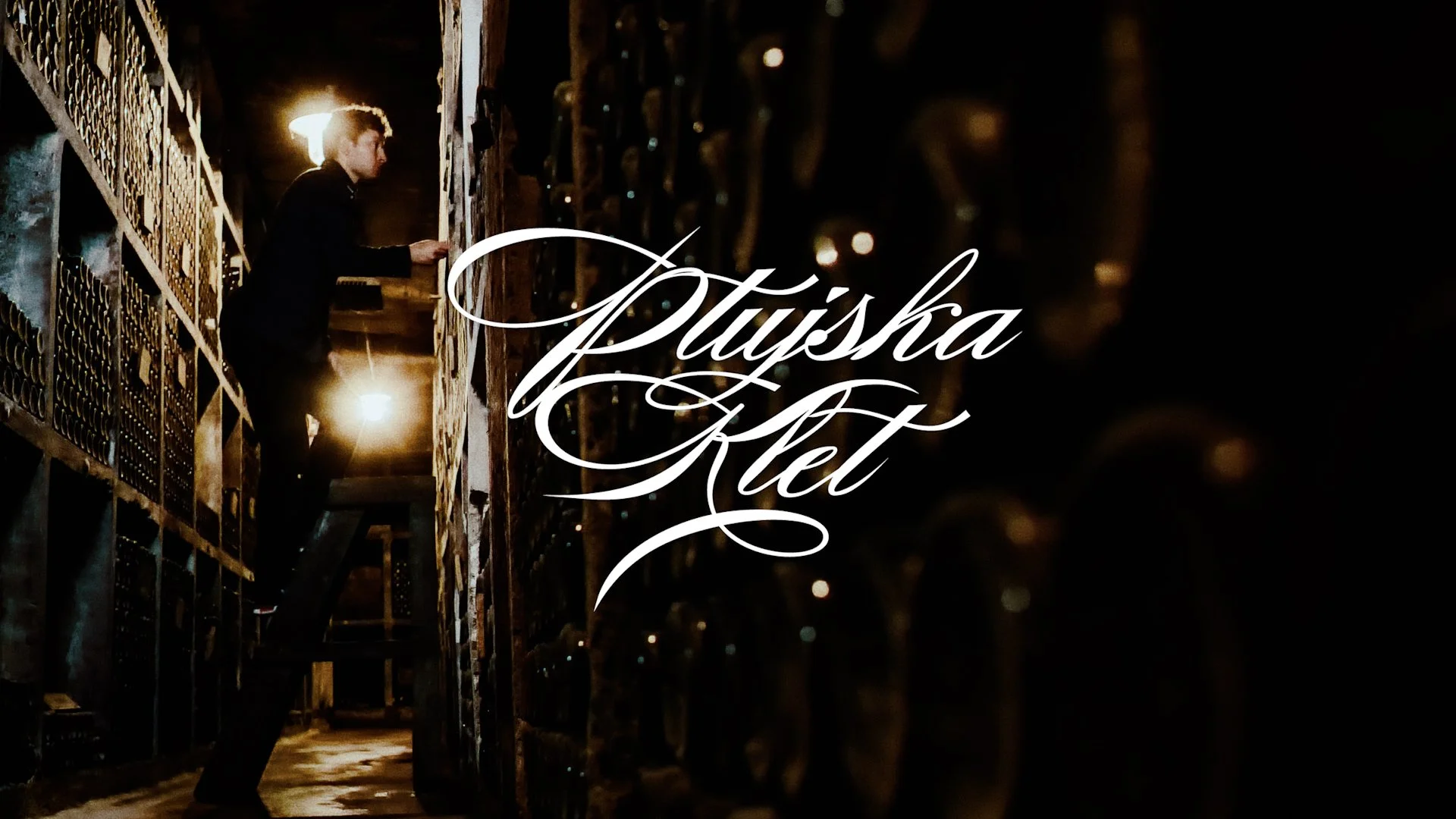
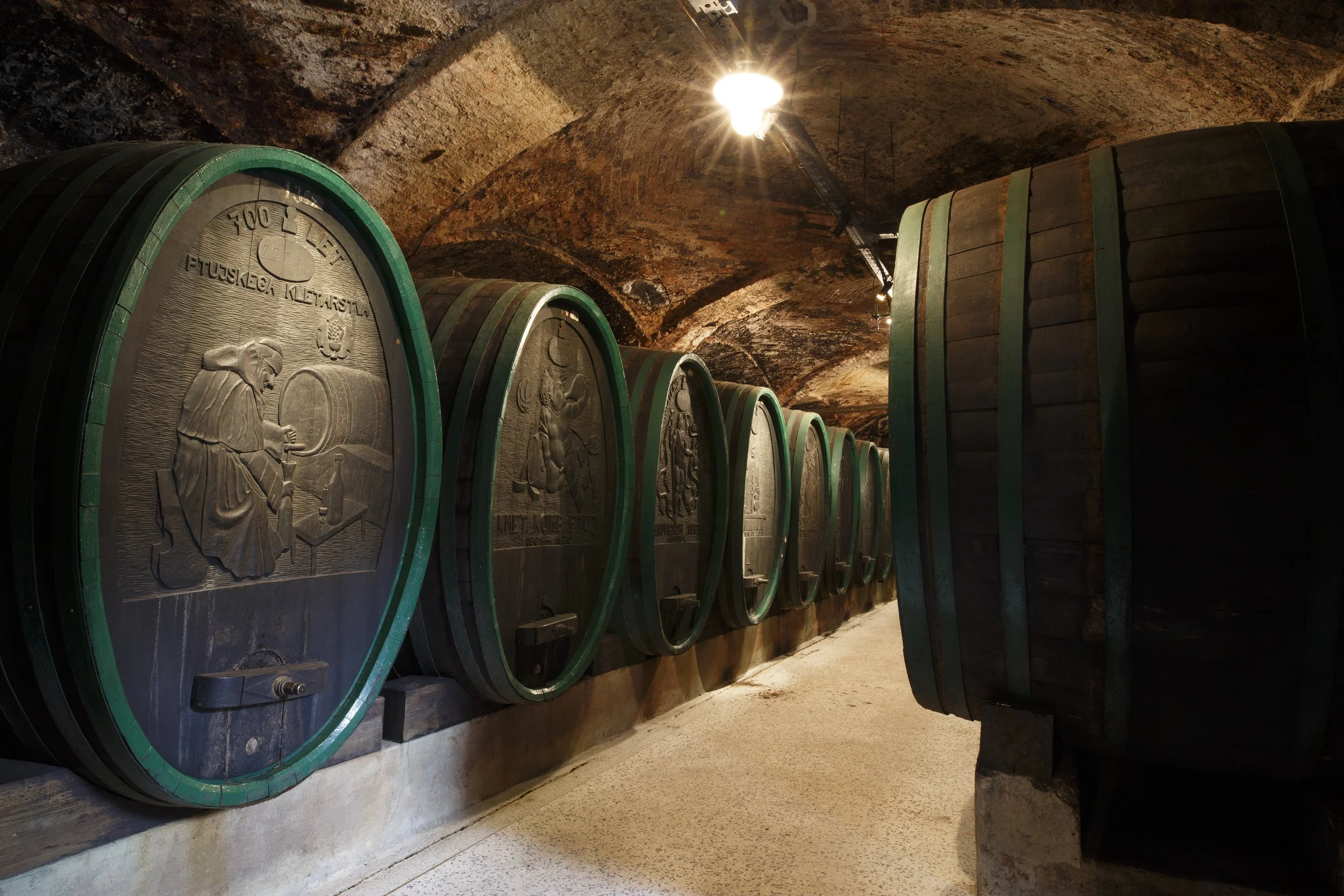
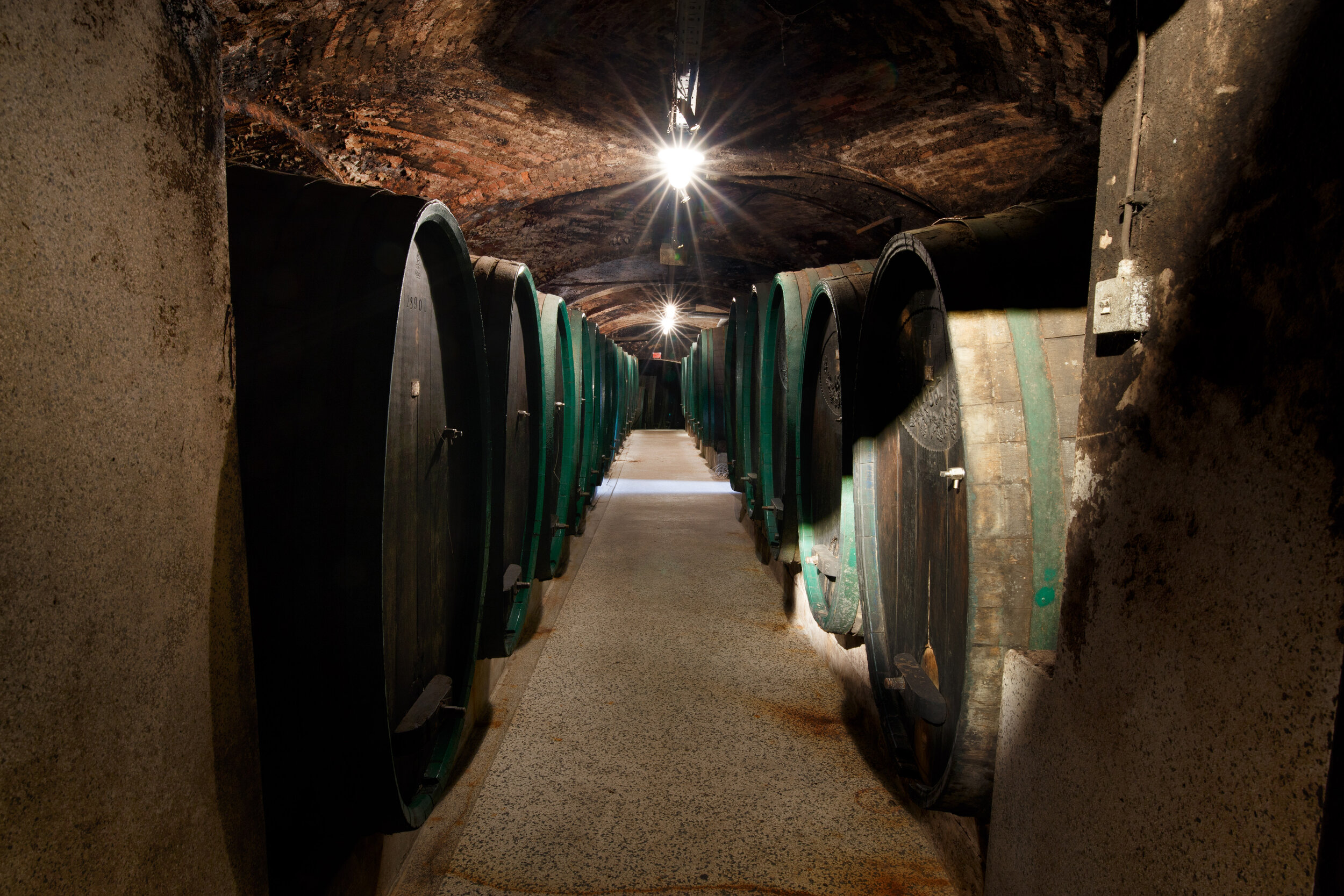
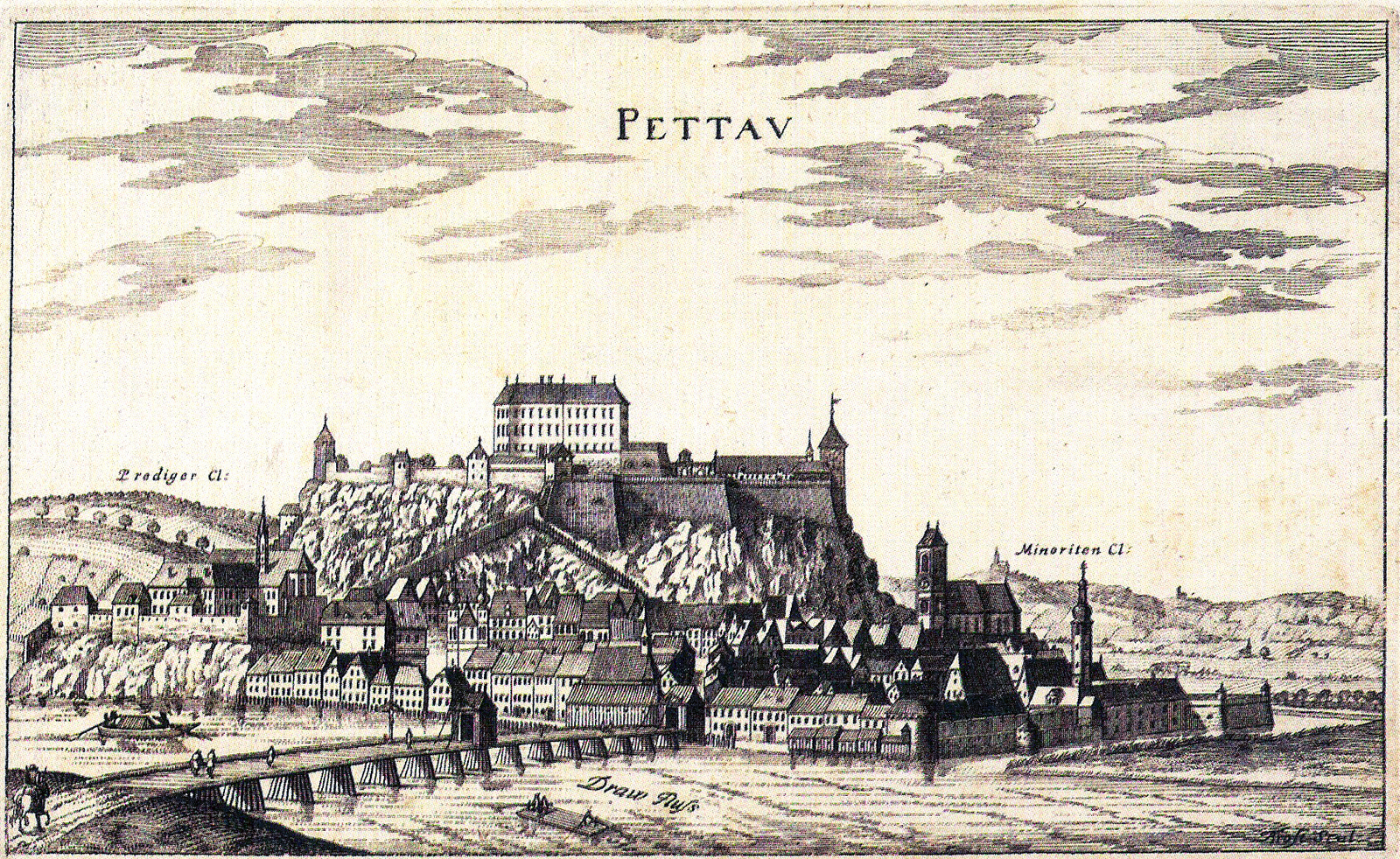
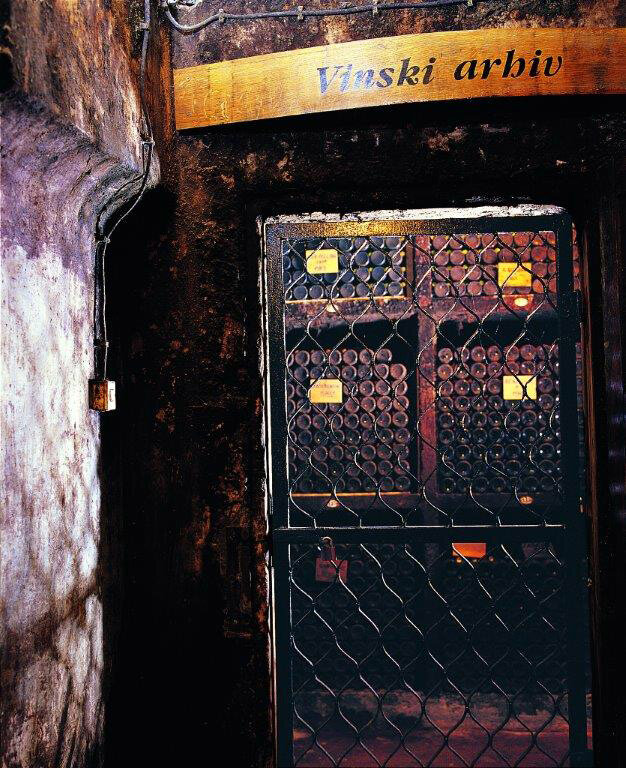
The story of Ptujska Klet (Ptuj Cellar) is not just the tale of Slovenia’s oldest continuously operating winery—but a living chronicle of viticulture in Štajerska, Slovenia’s historic cool-climate wine region. Beneath the medieval streets of Ptuj, Slovenia’s oldest town, lie the vaulted cellars first carved in 1239 by Minorite monks, where wine has quietly matured for over eight centuries in the shadow of the famed Haloze Hills.
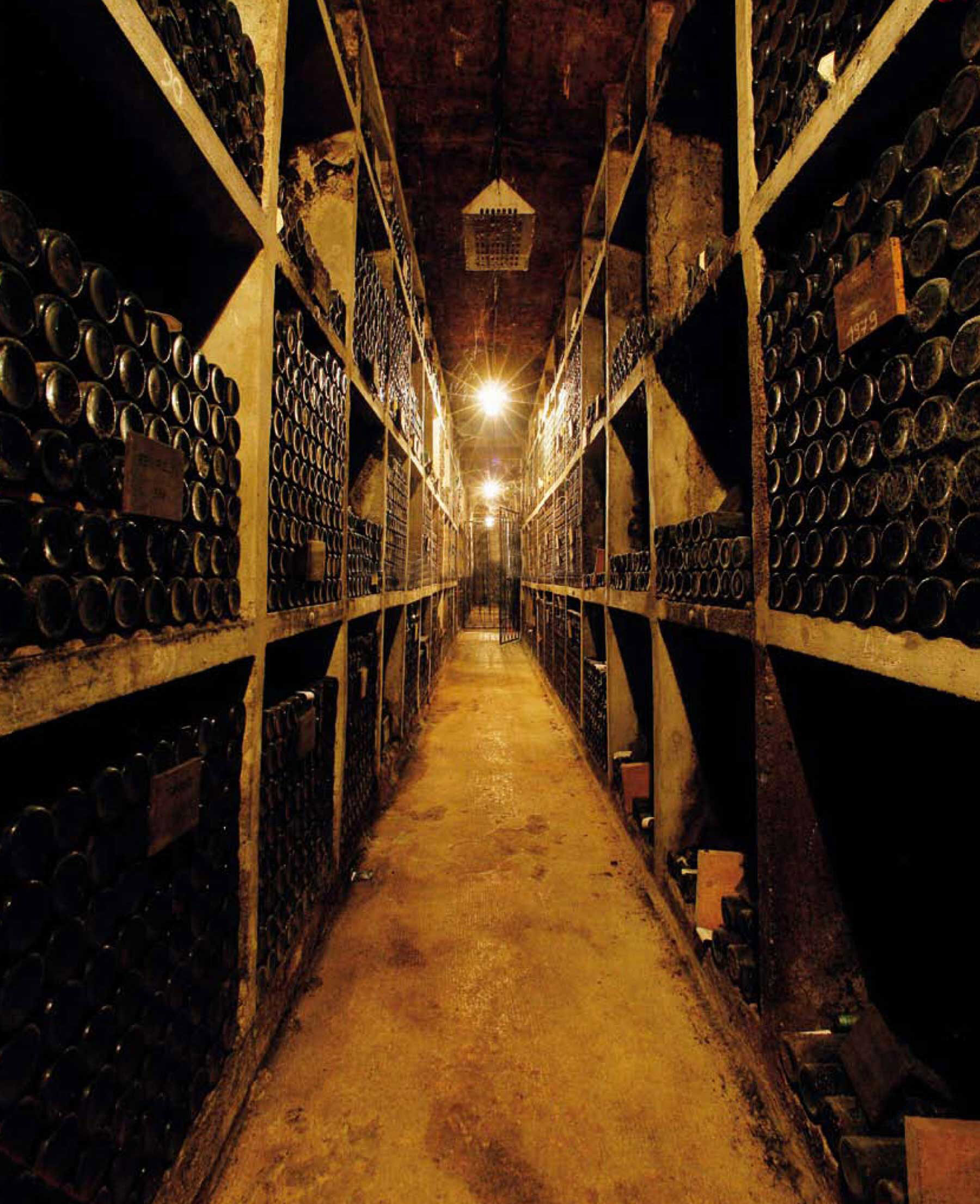
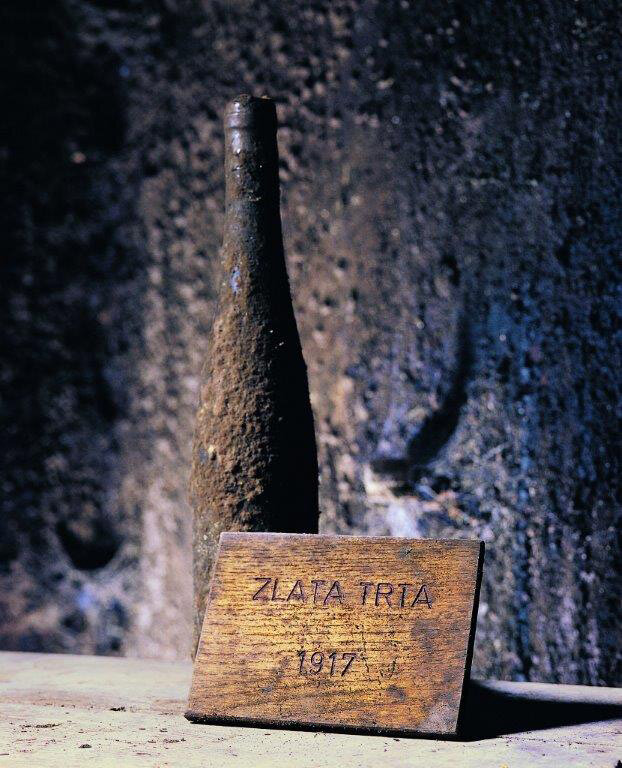
Across the centuries, these subterranean tunnels expanded, evolving from monastic cellar to communal stronghold of local winemaking. Under Yugoslavia, Ptujska Klet became a state-owned cooperative, but after Slovenia gained independence, the facility was acquired by a large agricultural company (Perutnina Ptuj), which transitioned it into the modern winery known today. A sweeping renovation followed—modernizing production while preserving irreplaceable historical elements such as old barrels, archival tanks, and deep library stocks. Today, the cellars hold one of Central Europe’s most significant wine archives, including Zlata trta (1917), referring to the oldest Slovenian wine preserved to this day. As a testament to their archives’ aging quality, in 2023, Falstaff tasted and reviewed some of their 100-year-old bottles, including their Muskatni Silvanec 1921, receiving a perfect score, hailing the wine as “a truly exceptional wine”.
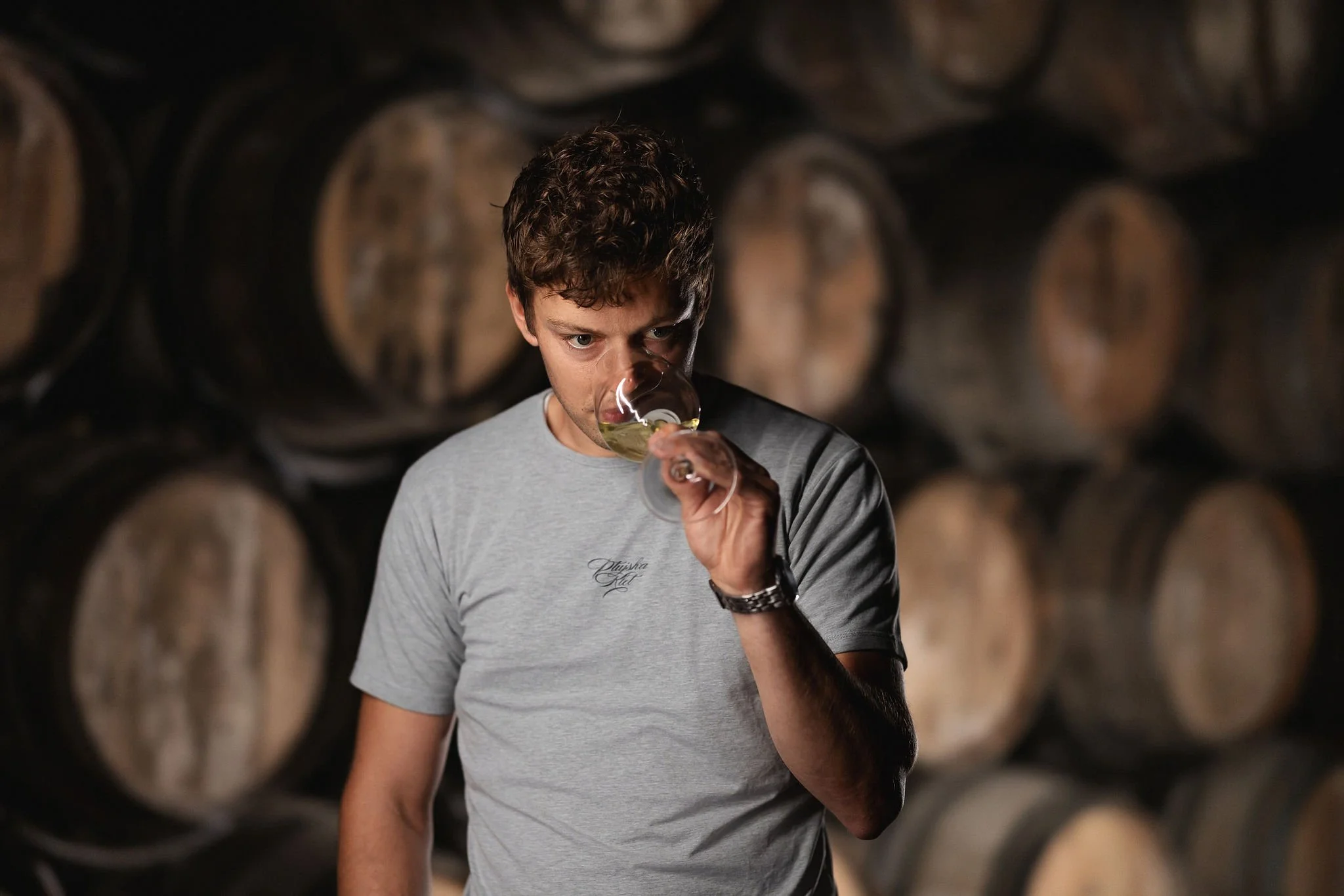
A new chapter began in 2021 when three employees and close friends—Tine Kek, Maks Kadivec (Head Winemaker), and the late visionary Vinko Mandl — purchased the company and brought Ptujska Klet back into the hands of independent ownership and three local families with a shared commitment to authenticity, regional pride, and quality.
Longstanding Farming Traditions
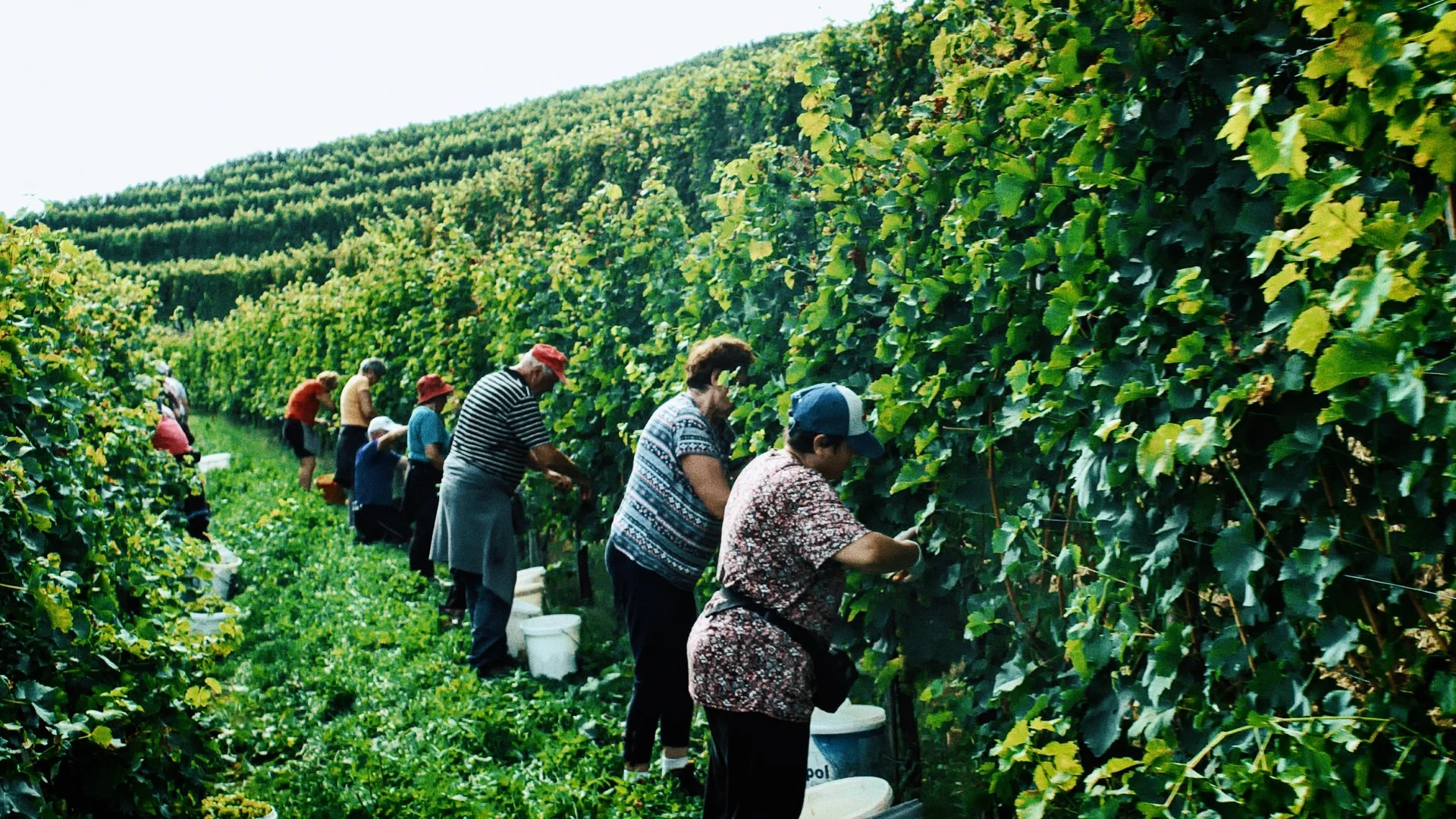
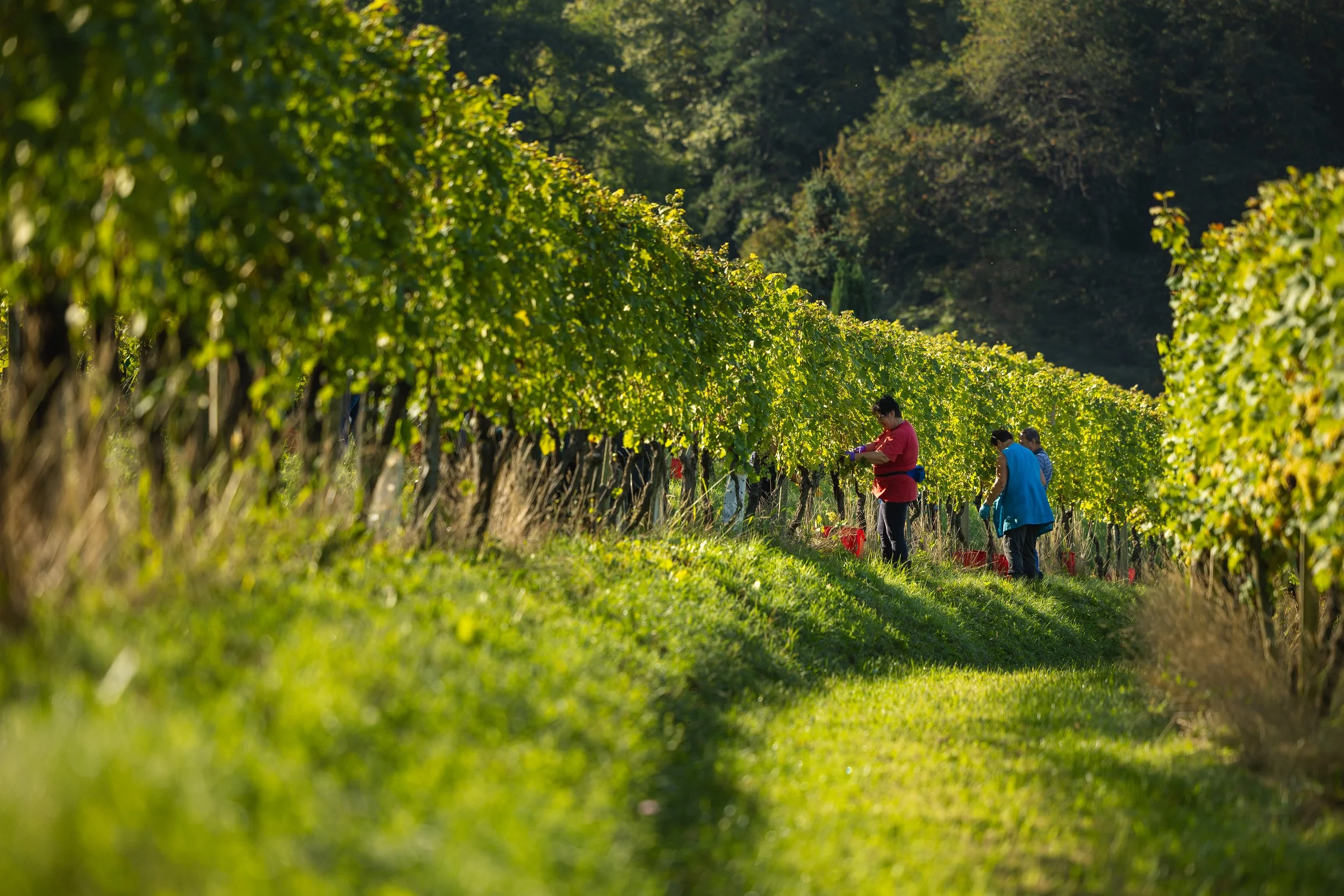
Štajerska’s viticultural traditions have always depended on the farmers in the surrounding hills, and Ptujska Klet’s growers form one of the region’s most historic agricultural collectives. Many families have worked these slopes since the 1950s, when the cooperative was first established in Yugoslavia. After independence, formerly state-owned vineyards were transferred to local farmers, enabling them to gain ownership and continue their stewardship.
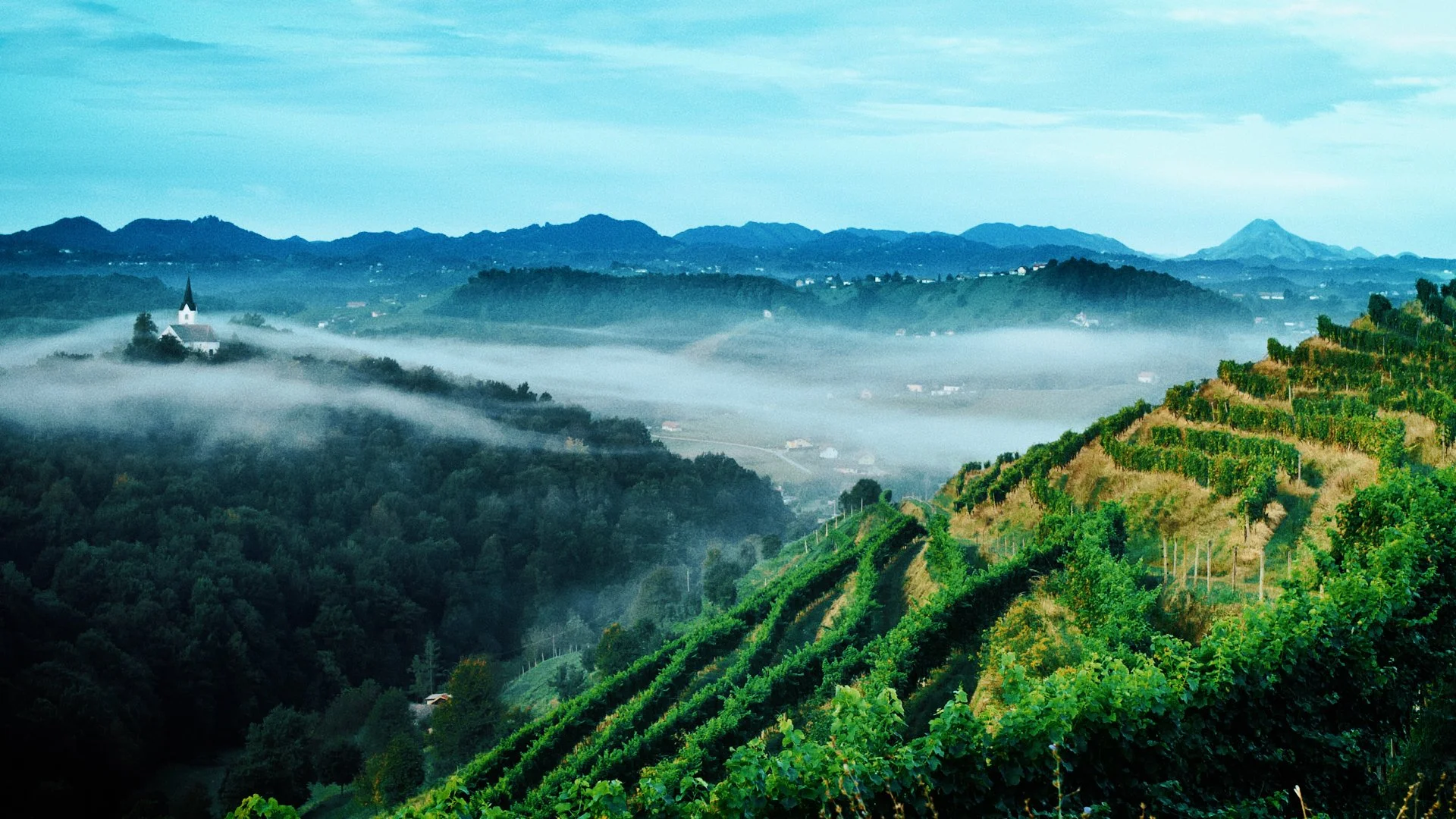
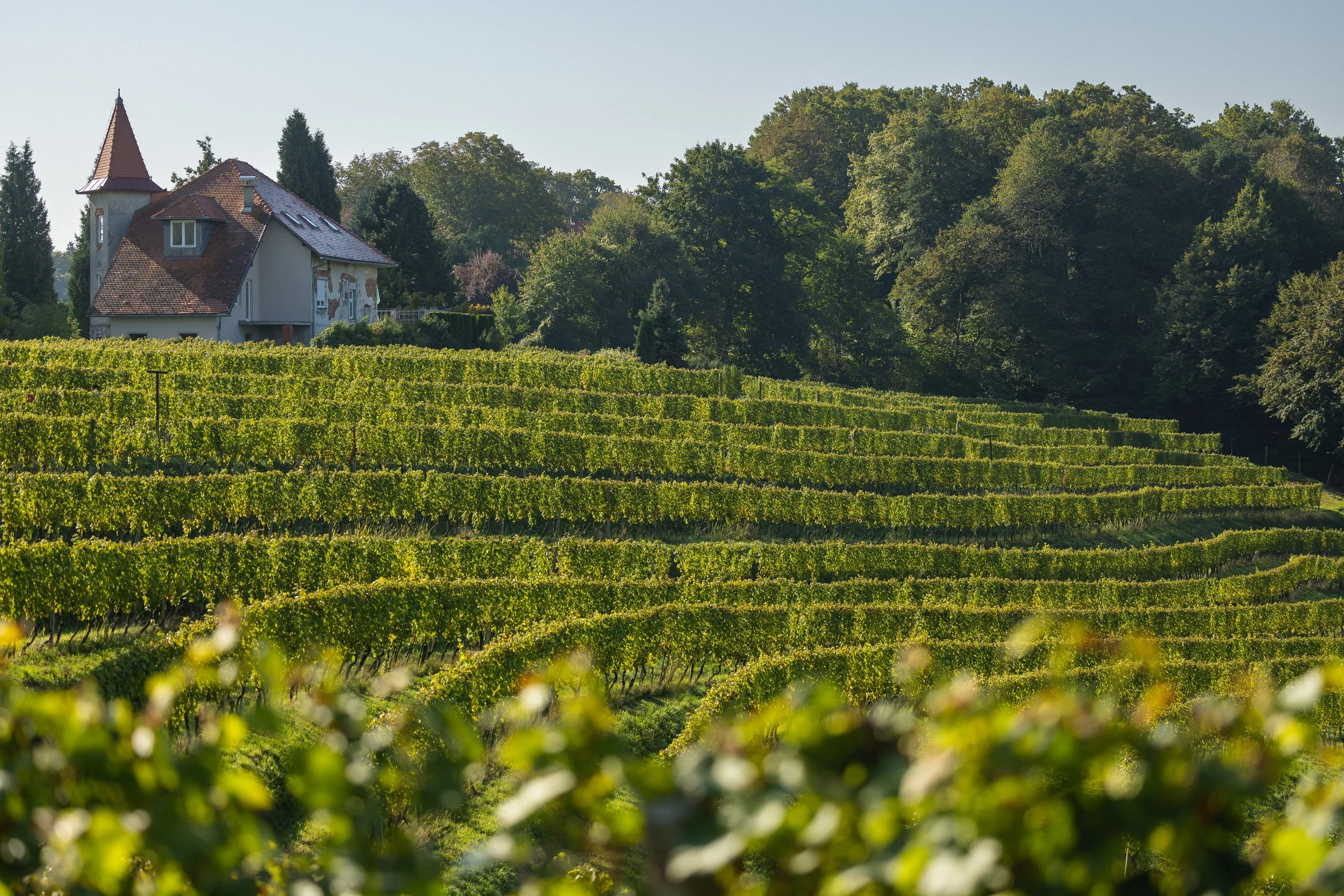
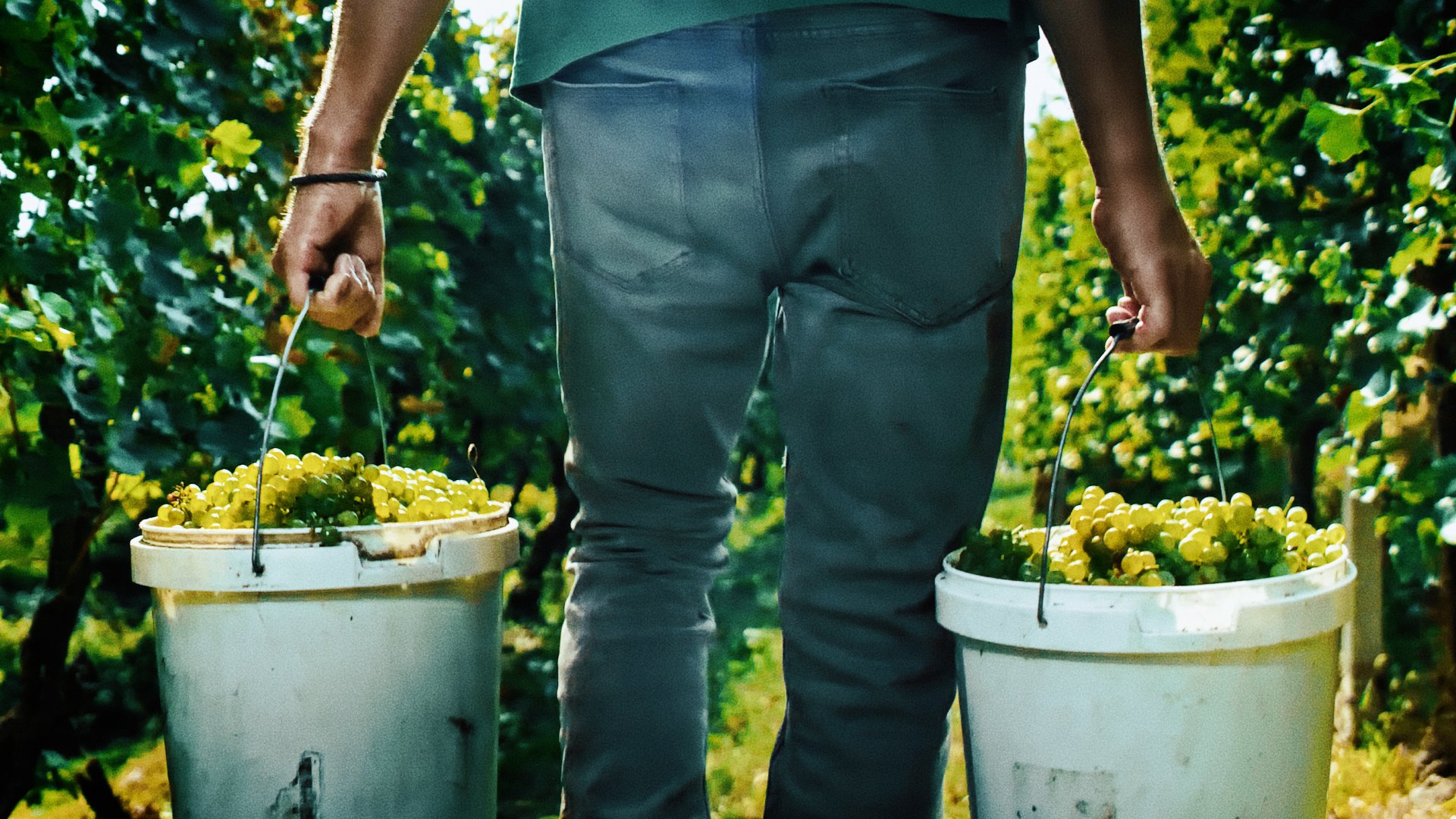
Today, 33 of those same multi-generational winegrowing families still farm the dramatic hillsides surrounding Ptuj for PK. Together with Maks, they determine optimal vineyard sites, ripeness decisions, and harvesting schedules aimed at preserving fruit purity, varietal character, and health—vital in this cool-climate region.
Štajerska & Haloze’s Cool-Climate
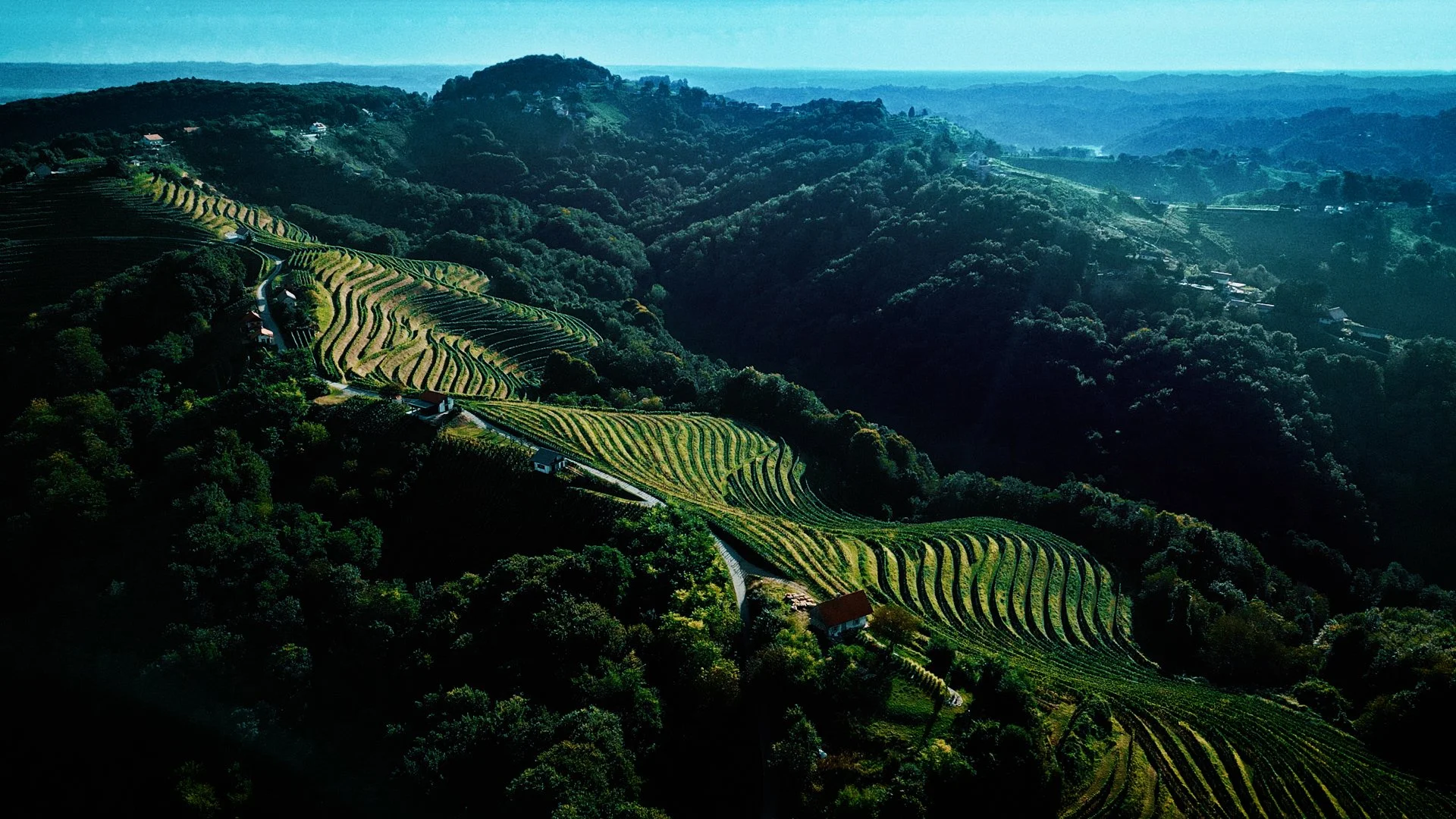
Ptujska Klet’s identity is inseparable from the fresh, aromatic, high-acid profile that defines Slovenian Styria’s (Štajerska’s) wines. Here, steep vineyards, marl limestone soils, and breezy Alpine-Pannonian influences converge to produce grapes of remarkable tension and clarity. The neighboring Haloze Hills, among Slovenia’s most historic and demanding vineyard zones, bring additional structure, concentration, and depth.
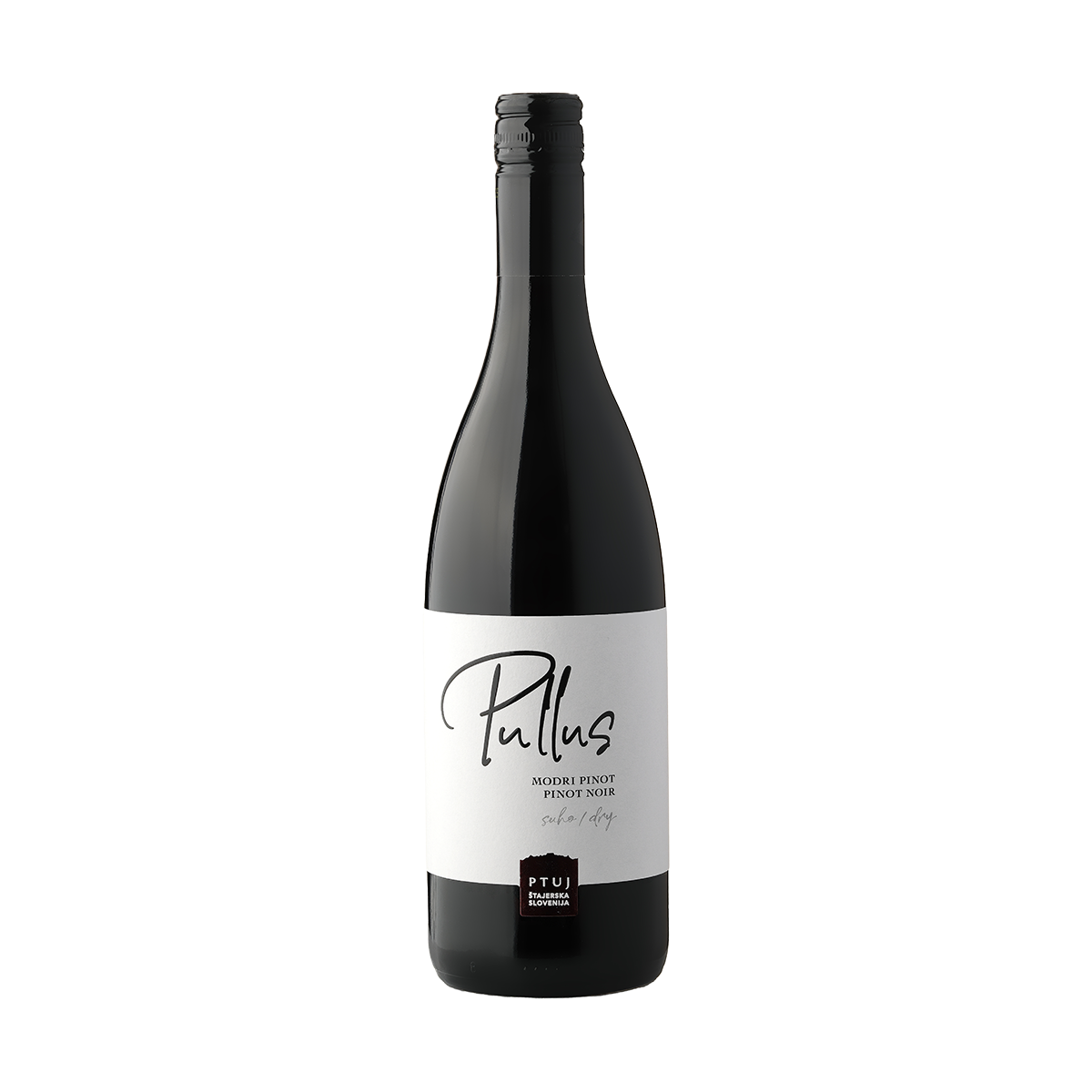
Thus, the winery focuses on the region’s hallmark cool-climate and indigenous varieties, including Sauvignon Blanc, Riesling, Pinot Grigio, Pinot Noir, Chardonnay, Blaufränkisch, Traminer, Yellow Muscat, and more— making wines that emphasize vibrancy, balance, and authentic regional expression. Maks’ winemaking bridges tradition and technology: stainless-steel fermentation for precision, large neutral wooden casks for texture, and barrique aging where complexity is desired.
Producing roughly 100,000 cases annually, the winery is best known for Haložan White 1L, the beloved everyday regional field blend of Haloze that accounts for a large portion of the estate’s production. The remaining is devoted to its varietal, terroir-driven Pullus wines and their production of Pelinkovec, the traditional regional wormwood liqueur.
Ptujska Klet’s New Chapter: Sustainability, Investment & the Future
Since returning to local family ownership in 2021, Ptujska Klet has undergone strategic modernization, including upgrading key winery systems and introducing new technologies aimed at elevating quality and efficiency. The largest and most impactful investment was the complete renovation of the grape receiving area of the cellar, along with all three large presses. This modernization has led to a direct and measurable improvement in the quality of all wines produced at the winery, while at the same time, additional upgrades enabled them to reduce their carbon footprint by 76%, further reinforcing their long-term commitment to sustainability alongside quality production.
In 2024, the team reached another milestone with the acquisition of their first six hectares of estate vineyards—a rare achievement given the restrictive post-Yugoslav land laws. This marks the beginning of a long-term plan to continue to farm their own vineyards while continuing to nurture deep partnerships with their growers.
Though Ptujska Klet has been a cornerstone of the Vinum portfolio for decades, the renewed energy, clear vision, and deep connection to Štajerska’s terroir make it evident that the winery’s brightest era is still ahead. The future promises wines that continue to maintain authenticity and expression of the cool-climate influence that has defined this region for nearly a millennium.
Wines



Location